Save up to 30% today!

Mawlid al-Nabi: Celebrating the Birth of the Prophet Muhammad
12 Rabi' al-Awwal, 1448 AH - Mawlid al-Nabi: celebrating the birth of the Prophet Muhammad. A day of poetry, community, and African tradition, August 25.
ISLAM
7/20/20264 min read
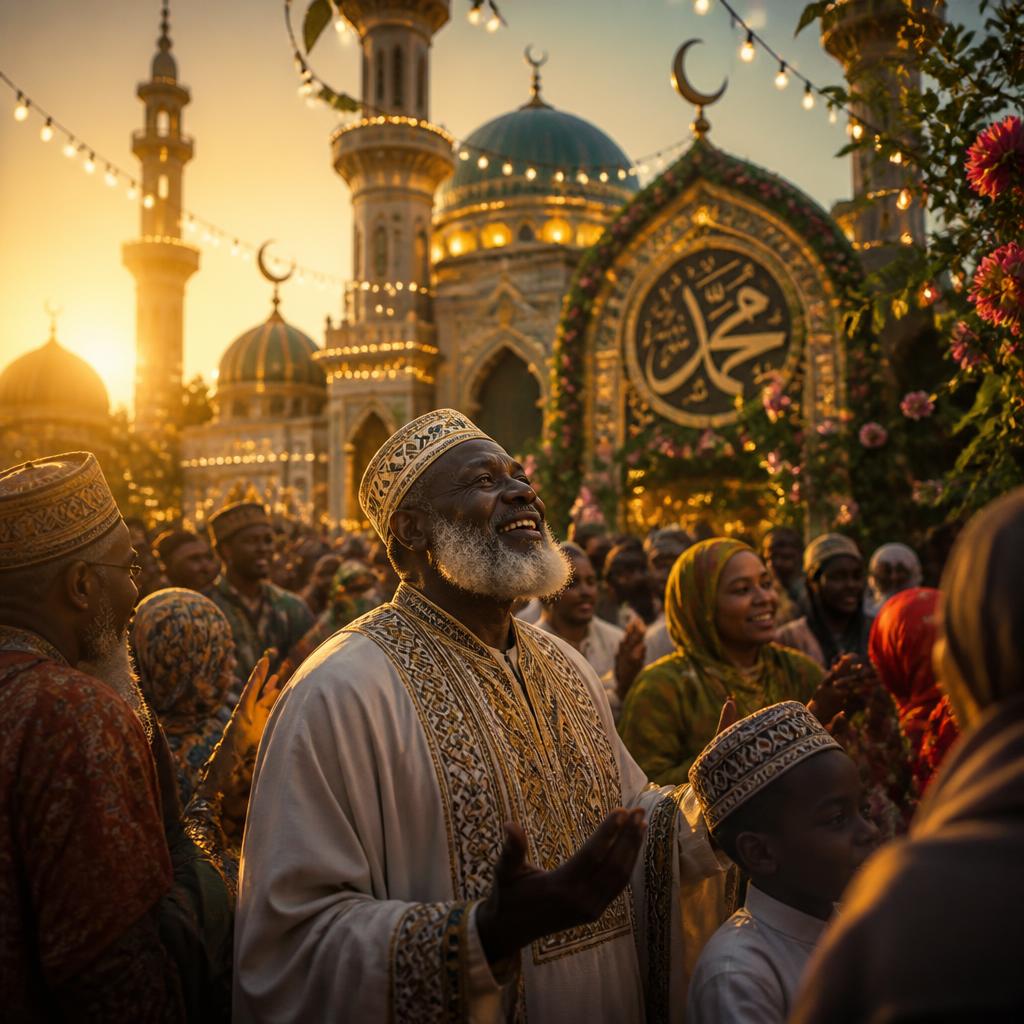
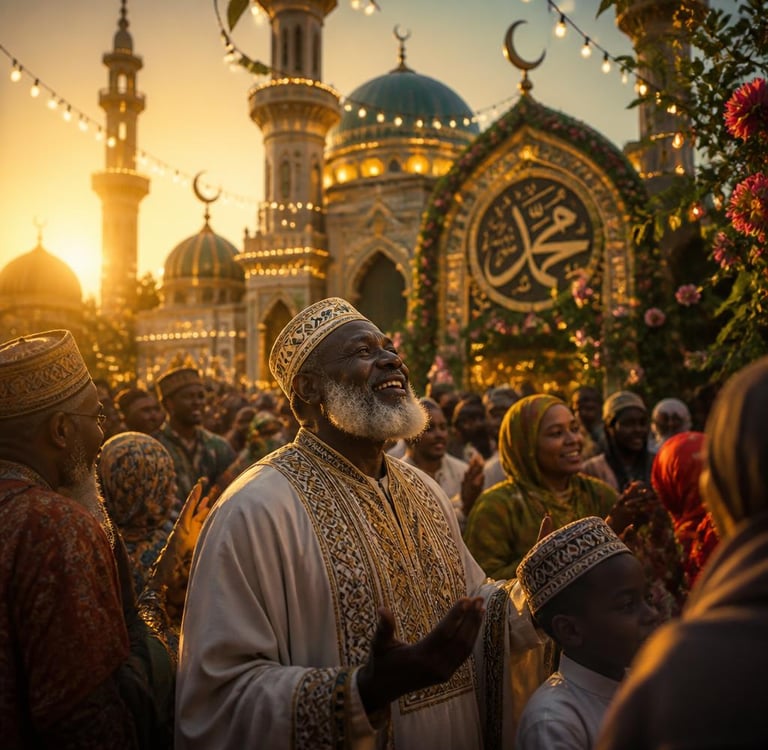
What Is Mawlid al-Nabi?
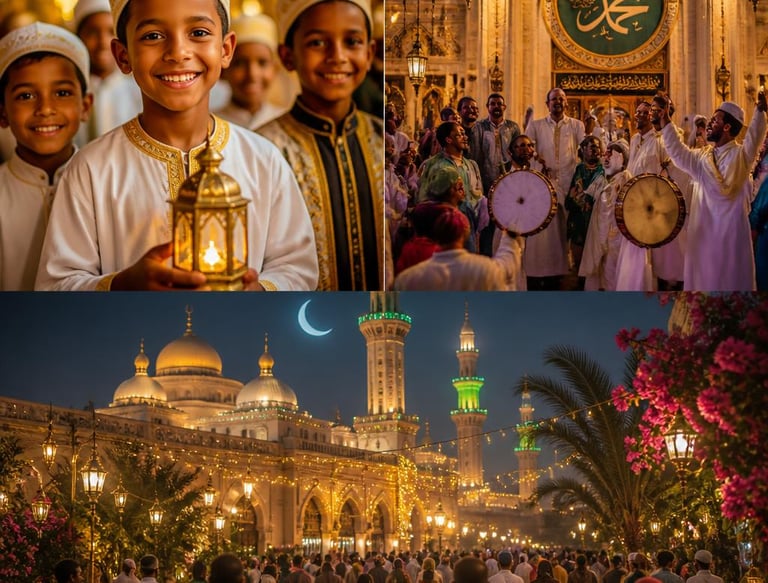
Mawlid al-Nabi (also spelled Mawlid, Milad, or Maulid) marks the birth of the Prophet Muhammad, the founder of Islam. It falls on the 12th day of Rabi' al-Awwal, the third month of the Islamic lunar calendar, a date that unites millions of Muslims across the globe in celebration, reflection and devotion.
While the Prophet himself did not celebrate his birthday, nor did he forbid it, the observance emerged centuries later as a popular expression of love and veneration. Across the Islamic world, Mawlid is a time for reciting poetry, sharing meals, telling stories of the Prophet's life, and gathering in community. It is a day that bridges the sacred and the festive, a reminder of the Prophet's role as a "mercy to all worlds."
Mawlid in Africa: A Living Tradition
Mawlid is celebrated with particular vibrancy across the African continent, from the Swahili coast to the Sahel, from the Horn of Africa to West Africa. In Africa, the festival is not simply an imported ritual; it is a living, evolving tradition shaped by local cultures, histories and spiritual movements.
The Lamu Maulidi Festival (Kenya)
Perhaps the most famous Mawlid celebration in Africa takes place on the island of Lamu, off the coast of Kenya. The Lamu Maulidi Festival draws thousands of pilgrims each year, blending Swahili culture with Islamic devotion.
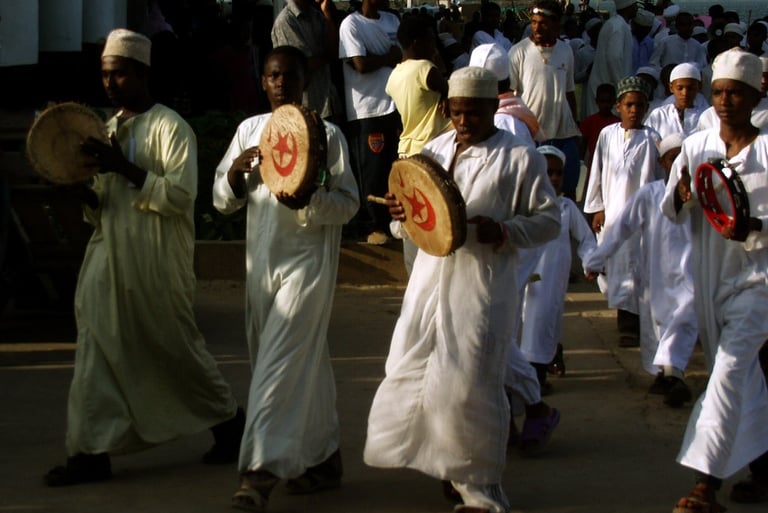
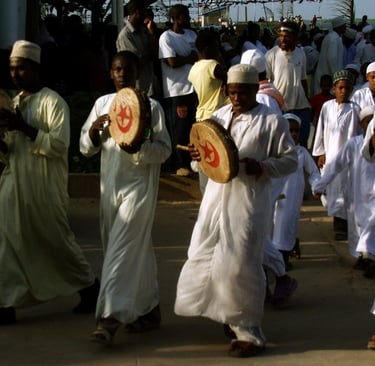
The festival features:
Dhow races along the Indian Ocean
Swahili poetry and musical performances
Processions and collective prayers
Feasts and community gatherings
The East African version of Mawlid is believed to have been developed in Lamu in 1866 by the Muslim scholar al-Habib Swaleh. Swaleh transformed what had been a private, household observance into a public, community-wide celebration. The festival has now been held for over 130 years, making it one of the oldest continuous Mawlid celebrations in the world.
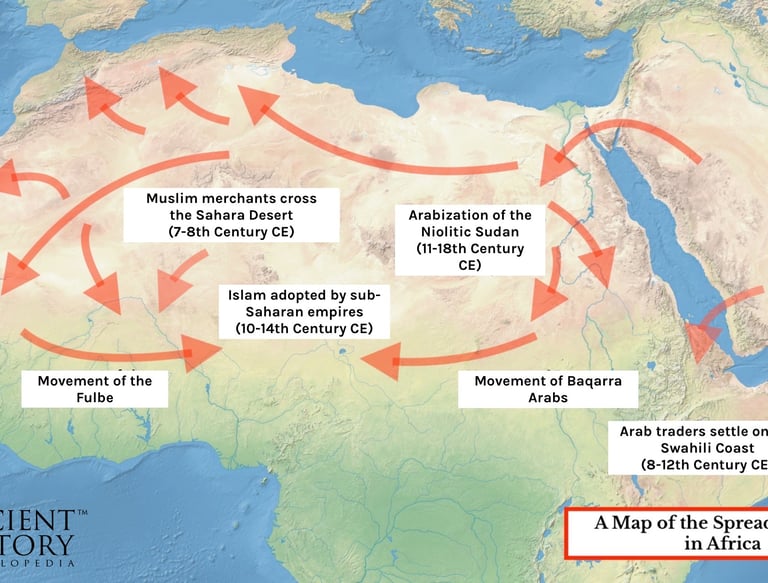
Key Routes of Islamisation
Mawlid in West Africa
In West Africa, Mawlid is also deeply rooted. In Côte d'Ivoire, for example, the Maouloud (the local name for Mawlid) has been celebrated since 1996, when Sheikh Matie Boiké Samassi established the tradition in his village of Kelindjan. The celebration incorporates local customs, music and community organisation, demonstrating how Islamic rituals are woven into the fabric of African societies.
Mawlid in Sudan and Somalia
In Sudan, Mawlid is marked by elaborate processions, the lighting of mosques and homes, the recitation of zikr (remembrance of God), and the distribution of food. In Somalia, Mawlid celebrations were forced underground during the rise of al-Shabab, which banned the practice as a religious "innovation". After the militants were pushed out of Mogadishu in 2011, public processions resumed, highlighting the resilience of the tradition.
The Expansion of Islam in Africa: Historical Context
To understand why Mawlid is so deeply rooted in Africa, it is essential to understand the history of Islam's spread across the continent.
Islam arrived in Africa within decades of the Prophet's migration from Mecca to Medina in 622 CE. Within six hundred years of the Prophet's death, Islam had crossed the Sahara to the Sudanic belt, a vast region stretching from the Atlantic Ocean to the Red Sea.
It is important to note that this expansion was not merely spiritual or cultural. The trans-Saharan trade, which facilitated the spread of Islam, was also a major vector of the slave trade. As early as the 7th century, Arab and Berber merchants made sub-Saharan Africa a primary source of enslaved people for the Islamic world. This trade, which claimed millions of victims, profoundly shaped the relationship between Africa and the Arab-Muslim world and contributed to the expansion of the trade routes and commercial centres that spread Islam.
Mawlid and Interfaith Dialogue
The Three Weeks of Mourning
While African Mawlid celebrations are particularly vibrant, the festival is observed globally with a range of customs:
How Mawlid Is Celebrated Around the World
In some traditions, Mawlid is a solemn, scholarly affair; in others, it is a joyous, musical celebration. In Africa, it often blends both, a testament to the continent's rich spiritual diversity.
One of the most remarkable aspects of Mawlid in Africa is its role in fostering interfaith connections.
In northern Nigeria, for example, some Christians participate in Mawlid celebrations organised by Shia Muslims. This does not erase the boundaries between faiths, but it does create spaces for encounter and mutual recognition, a powerful reminder that religious festivals can be bridges, not walls.
Rituals items and resources for Mawlid al-Nabi
The following resources can help deepen your understanding or observance of Mawlid al-Nabi:
In Conclusion
Mawlid al-Nabi is not simply a date on the calendar. It is a living tradition that speaks to the love, devotion and cultural creativity of Muslim communities around the world – and nowhere more vibrantly than in Africa.
From the dhow races of Lamu to the processions of Sudan, from the poetry of Timbuktu to the feasts of Côte d'Ivoire, Mawlid is a celebration of faith, community, and the enduring legacy of a man described as a "mercy to all worlds."
As one scholar put it, the term Mawlid refers to both a text and a social event – a gathering of people who celebrate the appearance of Islam through the earthly birth of the Prophet. In that sense, every Mawlid celebration is a re‑enactment of hope: the hope that mercy, justice and love can still prevail.
Explore
Contact
Newsletter
+0177 3931 023
© 2026. All rights reserved.