Save up to 30% today!

Tisha B'Av: A Day of Mourning, Memory, and Resilience
Tisha B'Av - July 22‑23. A day of mourning and remembrance in the Jewish tradition. Learn more about this solemn observance.
JUDAISMJEWISH
7/20/20263 min read
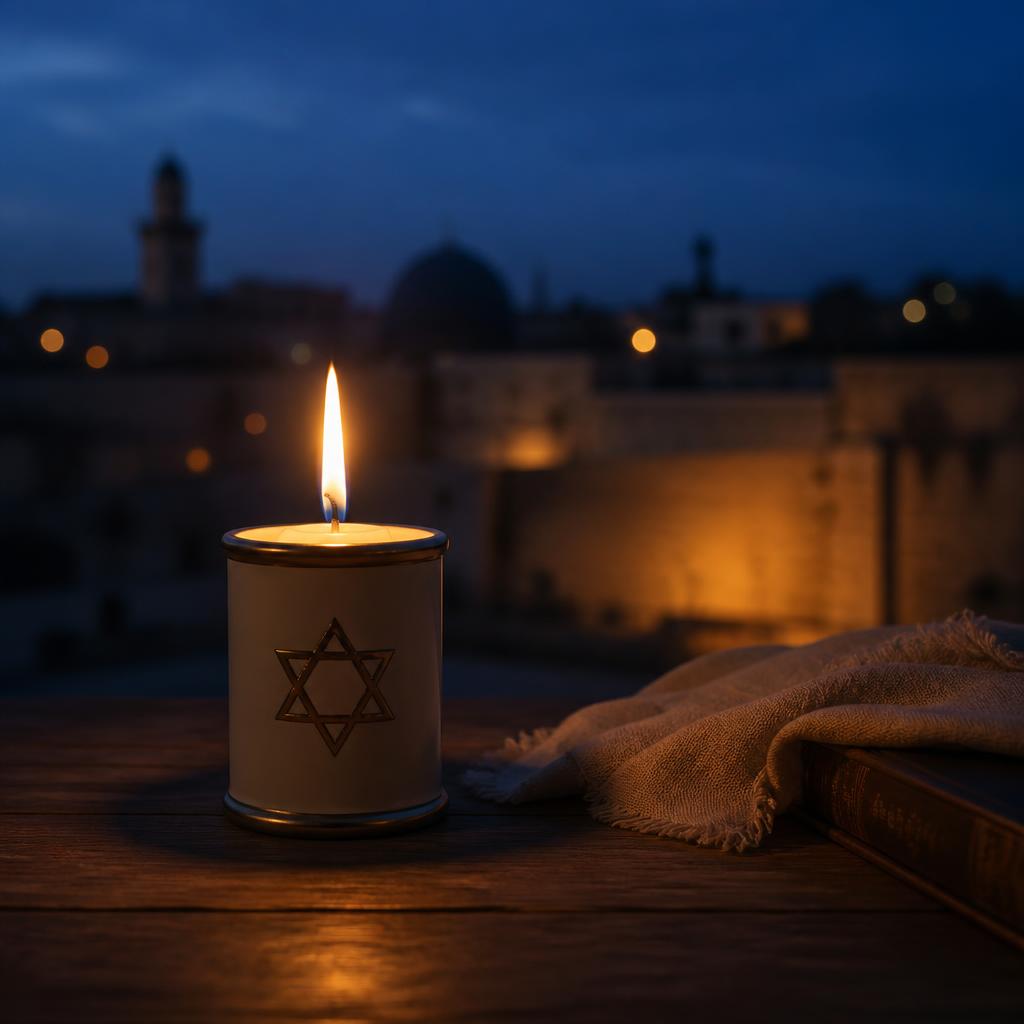
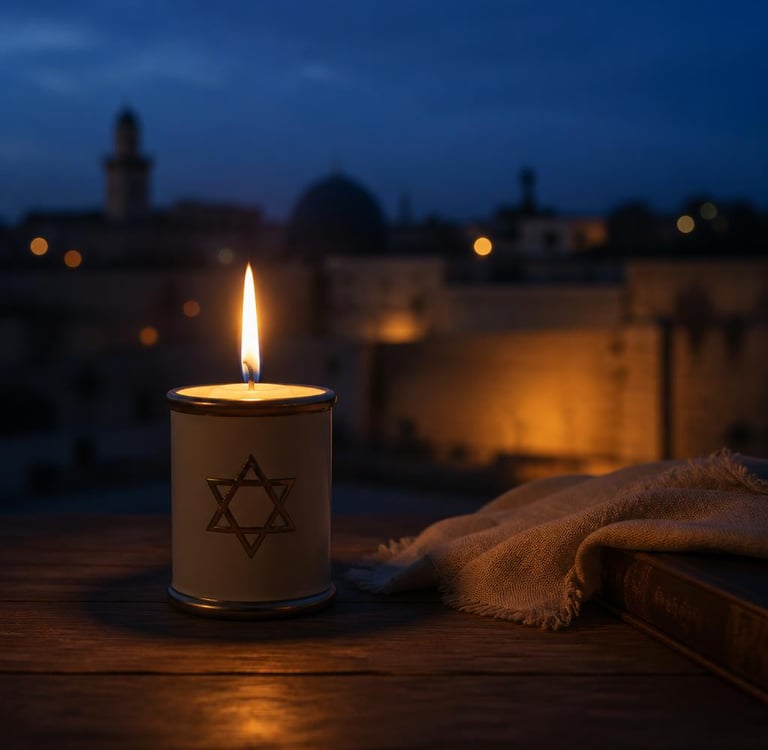
Tisha B'Av (Hebrew: תִּשְׁעָה בְּאָב, meaning "the ninth of Av") is the saddest day on the Jewish calendar. It is a 25-hour fast day of mourning that commemorates a series of catastrophic events that befell the Jewish people throughout history, most notably, the destruction of the First and Second Temples in Jerusalem.
According to the Talmud, Tisha B'Av was the day of numerous calamitous events in Jewish history:
- 586 BCE: Destruction of the First Temple (Solomon's Temple) by the Babylonians
- 70 CE: Destruction of the Second Temple by the Romans
- The decree that the Israelites would wander 40 years in the wilderness
- The fall of Betar (last stronghold of the Bar Kochba revolt)
- The plowing of Jerusalem by the Romans
Over the centuries, Tisha B'Av has also come to commemorate other tragedies that befell the Jewish people, including the expulsion of Jews from England (1290), France (1306), and Spain (1492) – all of which occurred around this date on the Jewish calendar.
How Is Tisha B'Av Observed?
The 25-Hour Fast
The Three Weeks of Mourning
Tisha B'Av is preceded by a three-week period of mourning beginning on the 17th of Tammuz, the day the Romans breached Jerusalem's walls in 69 CE. This period intensifies during the "Nine Days" from the first to the ninth of Av, during which many Jews refrain from eating meat, drinking wine, and other joyful activities.
Synagogue Customs
In the synagogue, the atmosphere is one of deep mourning:
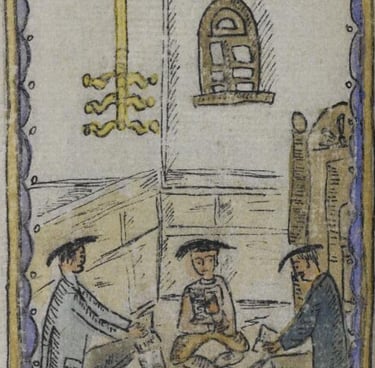
Sitting on the floor or on low stools: a sign of mourning
Reading the Book of Lamentations (Eicha): Jeremiah's poetic lament over the destruction of Jerusalem
Dimmed lights: candles are often used for reading, as a reminder of the dark times in Jewish history
Prayers of mourning: special kinot (elegies) are recited
Afternoon of Tisha B'Av
The afternoon of Tisha B'Av is slightly less mournful. Some mourning practices, such as sitting on low stools, are suspended. The special prayer Nachem ("Console") is added to ask God to comfort the Jewish people.
The Book of Lamentations: A Voice of Grief
The Book of Lamentations (Eicha) is central to Tisha B'Av observance. It is a poetic text that begins with the word "Eicha" ("How"), a cry of despair over the destruction of Jerusalem. For centuries, Jews have read this text by candlelight, allowing the wax to drip onto the pages as a symbol of the tears shed over the loss of the Temple.
Why Tisha B'Av Matters Today
Tisha B'Av is not only a day of mourning for the past. It is also a call to reflect on the present. It reminds us of:
The cost of division: Jewish tradition teaches that the Second Temple was destroyed because of sinat chinam (baseless hatred) among Jews.
The importance of memory: Remembering tragedy is an act of resistance against forgetting.
The hope for restoration: Despite the mourning, Tisha B'Av ends with hope for a better future.
As one source notes, Tisha B'Av marks "the pain that flows from avoidable cruelty among people and among nations". It is a day to reflect on social justice, personal liberty, and the flaws in systems that prevent human flourishing.
Items and Resources for Tisha B'Av
While Tisha B'Av is not a festival of celebration, there are resources that can help deepen your observance or understanding of this solemn day. source notes, Tisha B'Av marks "the pain that flows from avoidable cruelty among people and among nations". It is a day to reflect on social justice, personal liberty, and the flaws in systems that prevent human flourishing.
Tisha B'Av is a day of profound grief – but also a day of resilience. It is a reminder that memory is sacred, that loss is real, and that hope can emerge from even the deepest sorrow.
Whether you observe the fast or are simply seeking to understand this day, Tisha B'Av invites us all to reflect on the fragility of what we build – and the strength it takes to rebuild.
"How lonely sits the city that was full of people!" – Lamentations 1:1
Explore our interfaith calendar for more holy days and festivals from around the world.
Explore
Contact
Newsletter
+0177 3931 023
© 2026. All rights reserved.